Key Takeaways
- Low-carbon structural engineering reduces embodied carbon emissions by up to 35% compared to conventional concrete frameworks.
- Integrated occupant microgrids enable real-time HVAC optimization and reduced utility overheads.
- Biophilic elements—including indoor air filtration and natural light orientation—directly elevate resident health and property longevity.
As urban density increases and environmental standards elevate worldwide, residential development is undergoing a fundamental transformation. Today’s homebuyers and institutional investors look far beyond surface aesthetics; they demand buildings engineered for high energy performance, structural longevity, and exceptional indoor environmental quality.
At RHA Builder, sustainable development is not treated as an add-on feature—it forms the core foundation of our architectural design and structural execution across every residential project.
1. Low-Carbon Materials & High-Performance Envelopes
Reducing a building's lifetime carbon footprint requires addressing both embodied carbon (the energy consumed during material extraction, manufacturing, and transport) and operational carbon (the energy used over the building's lifespan).
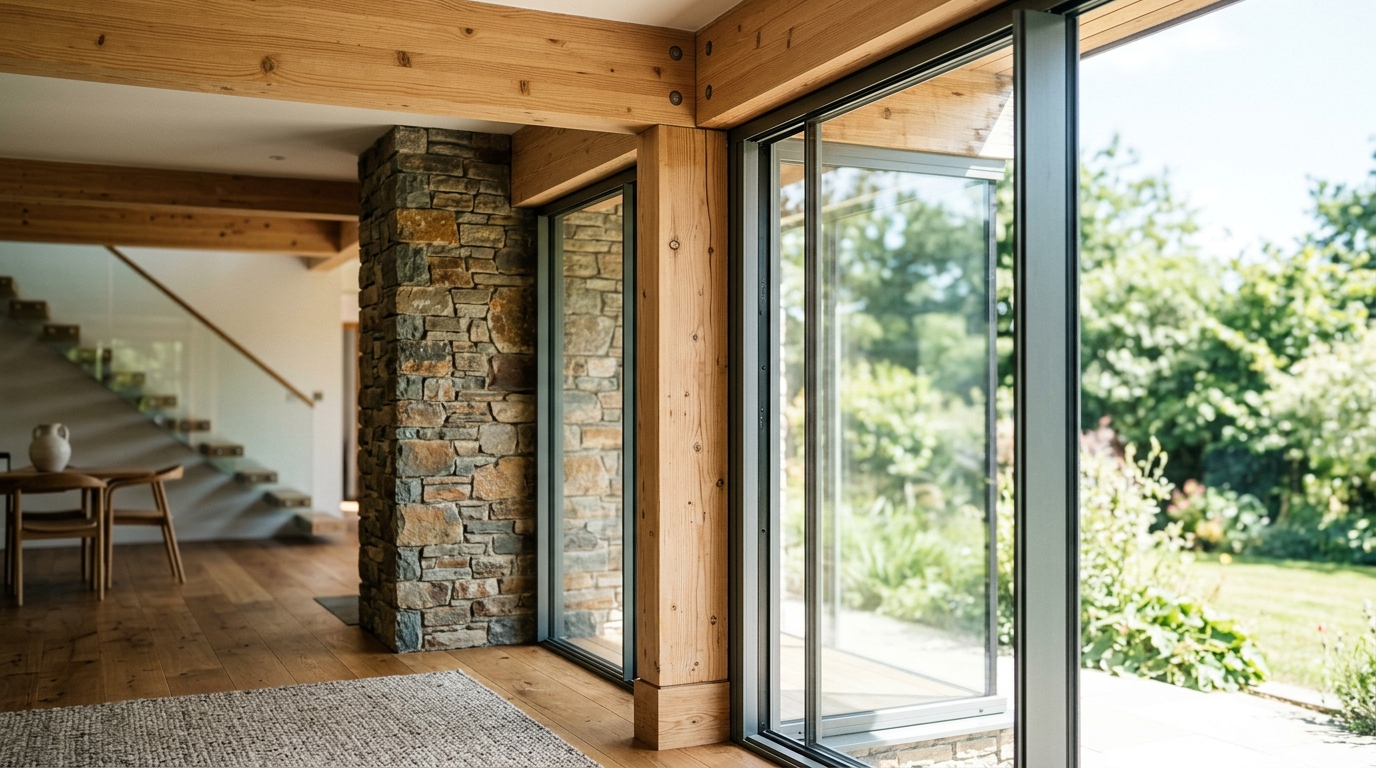
By specifying responsibly sourced engineered timber, recycled steel alloys, and low-clinker cement formulations, RHA Builder substantially mitigates initial construction emissions. Paired with high-density thermal insulation and continuous vapor barriers, our building envelopes prevent thermal bridging and drastically lower heating and cooling demands year-round.
2. Smart Microgrids & Occupant Energy Intelligence
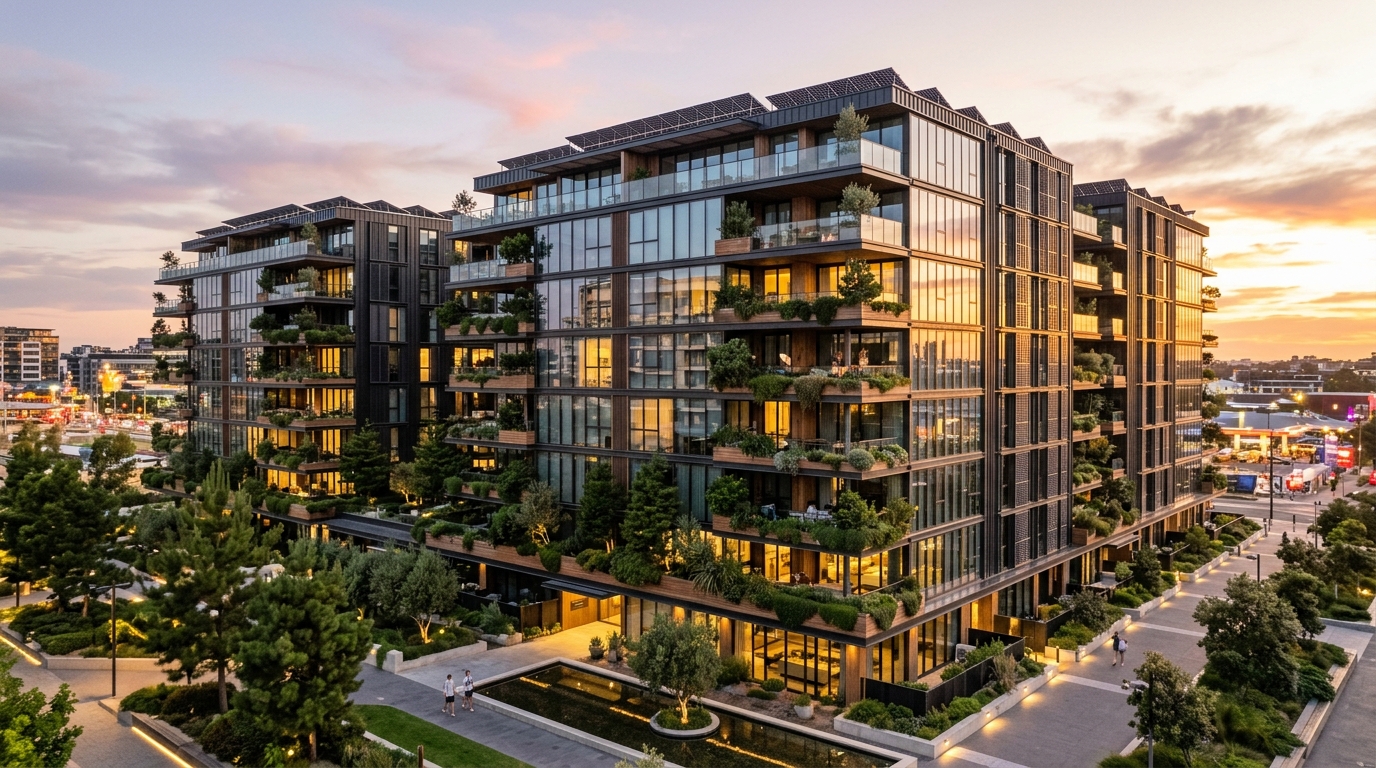
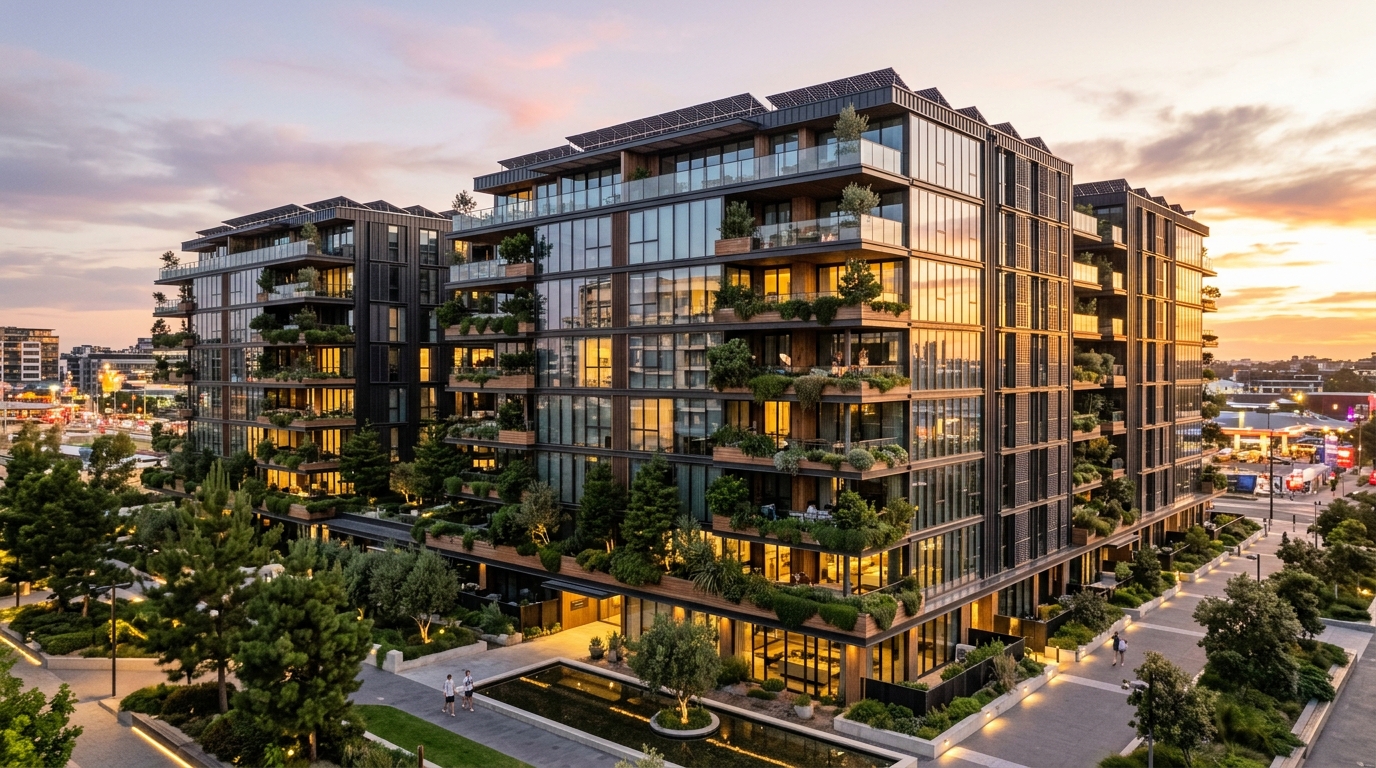
Modern residential towers are evolving from passive consumers of electricity into dynamic energy-producing assets. Through rooftop solar photovoltaic arrays and centralized battery energy storage systems (BESS), modern developments can generate and store renewable power locally.
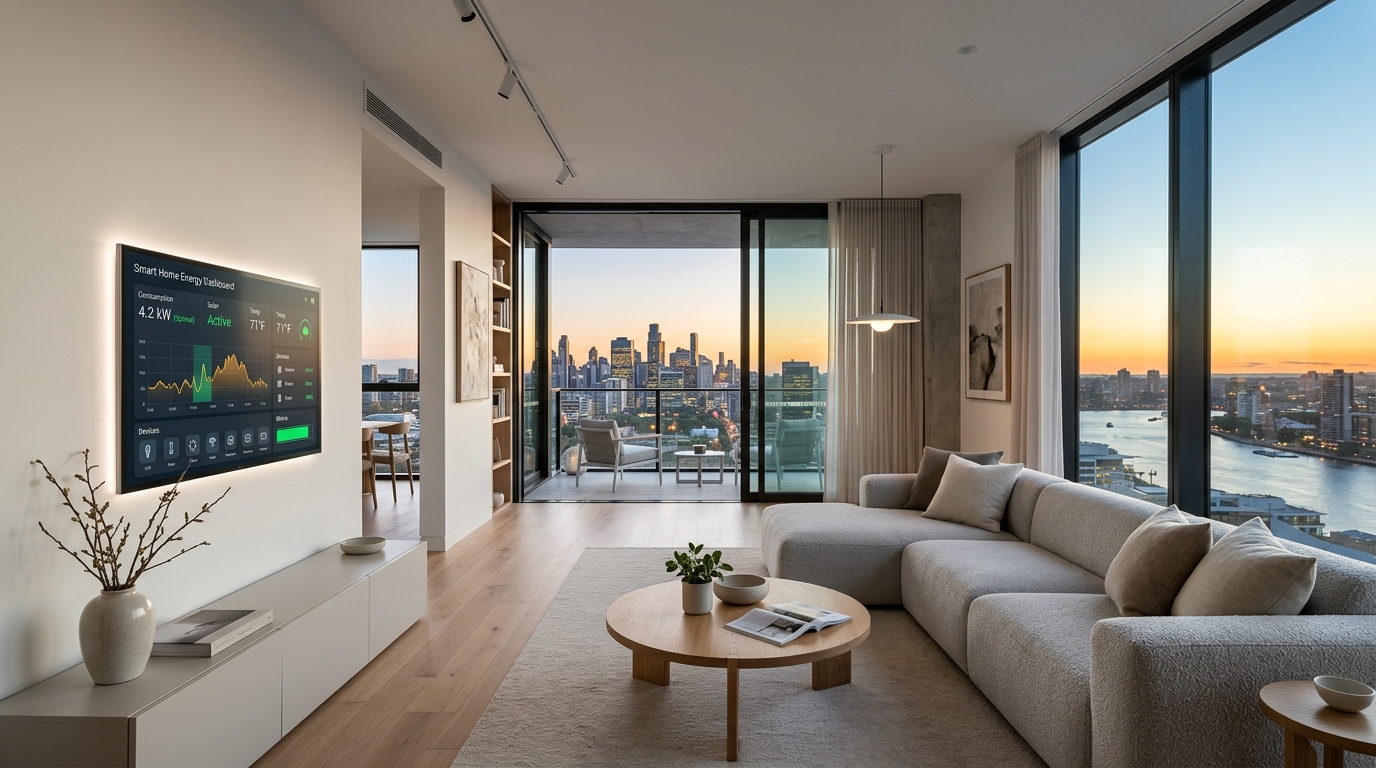
Within individual residences, sub-metering infrastructure and automated climate zoning allow occupants to monitor energy consumption transparently. Automated shade sensors and variable-refrigerant flow (VRF) HVAC units adjust dynamically based on occupancy and outdoor ambient temperatures, yielding significant reductions in utility expenditure.
3. Biophilic Design & Living Environments
Biophilic architecture seeks to reconnect building occupants with the natural environment. In developments such as RHA Heights and RHA Park Residences, our design team prioritizes:
- Maximized Daylight Penetration: Deep floor plates designed with dual-aspect living spaces to reduce artificial lighting requirements.
- Fresh Air Energy Recovery Ventilation (ERV): Continuous filtration systems that purge airborne particulates while exchanging thermal energy between incoming and outgoing airstreams.
- Integrated Water Management: Rainwater harvesting for communal podium landscaping and greywater recycling for non-potable building services.
4. Building Long-Term Asset Value
Investing in high-specification sustainable engineering protects property values against tightening energy compliance regulations and escalating energy costs. Properties designed to green building benchmarks enjoy higher tenant retention, reduced maintenance lifecycles, and superior long-term yield.
"Sustainable construction is ultimately about durability and responsibility. When we design a residential tower today, we are building a structure that must perform flawlessly for the next fifty years."— Robert H. Anderson, Chief Development Officer
To learn more about how RHA Builder incorporates progressive engineering into upcoming residential developments, visit our Projects Showcase or connect with our development team today.